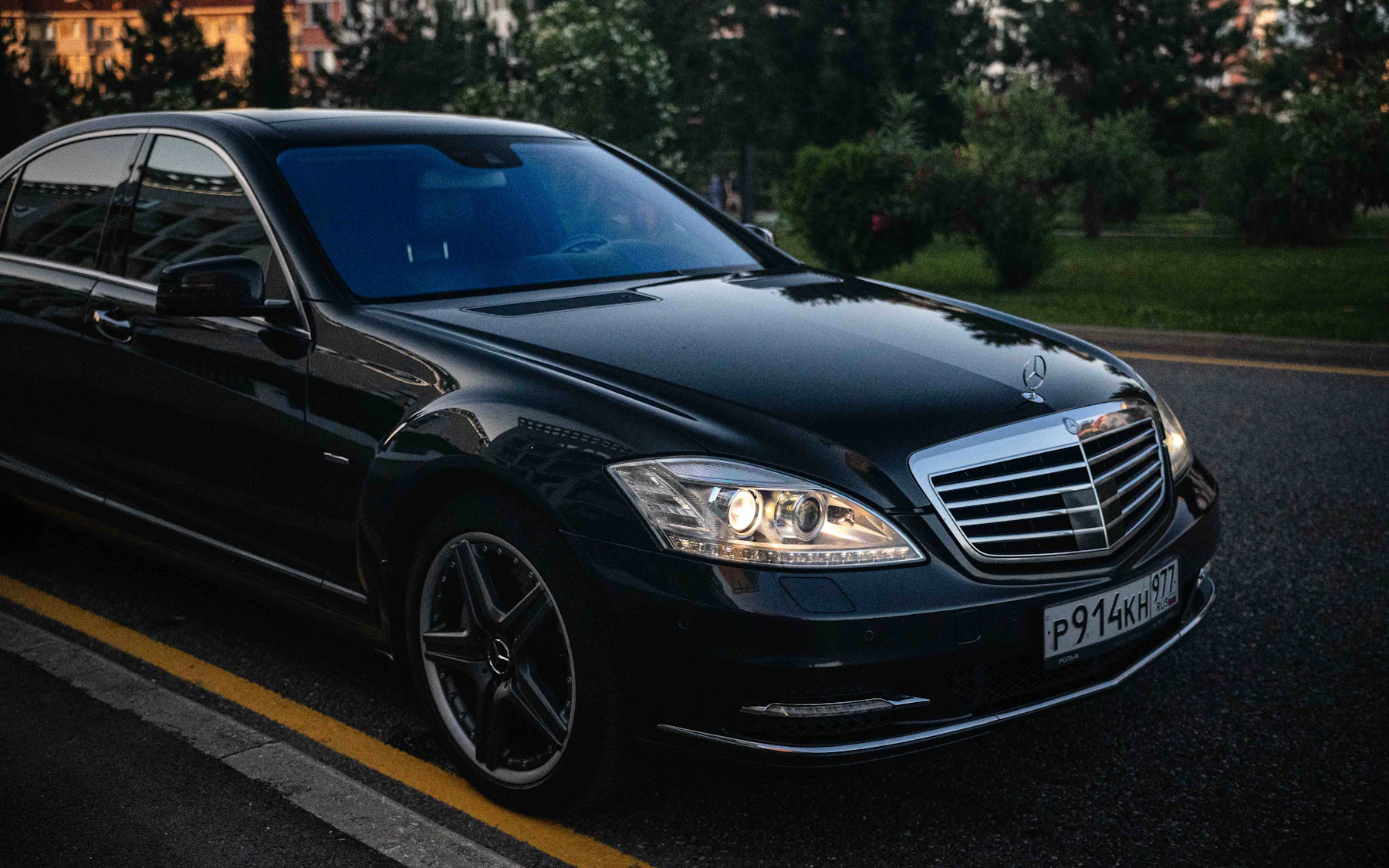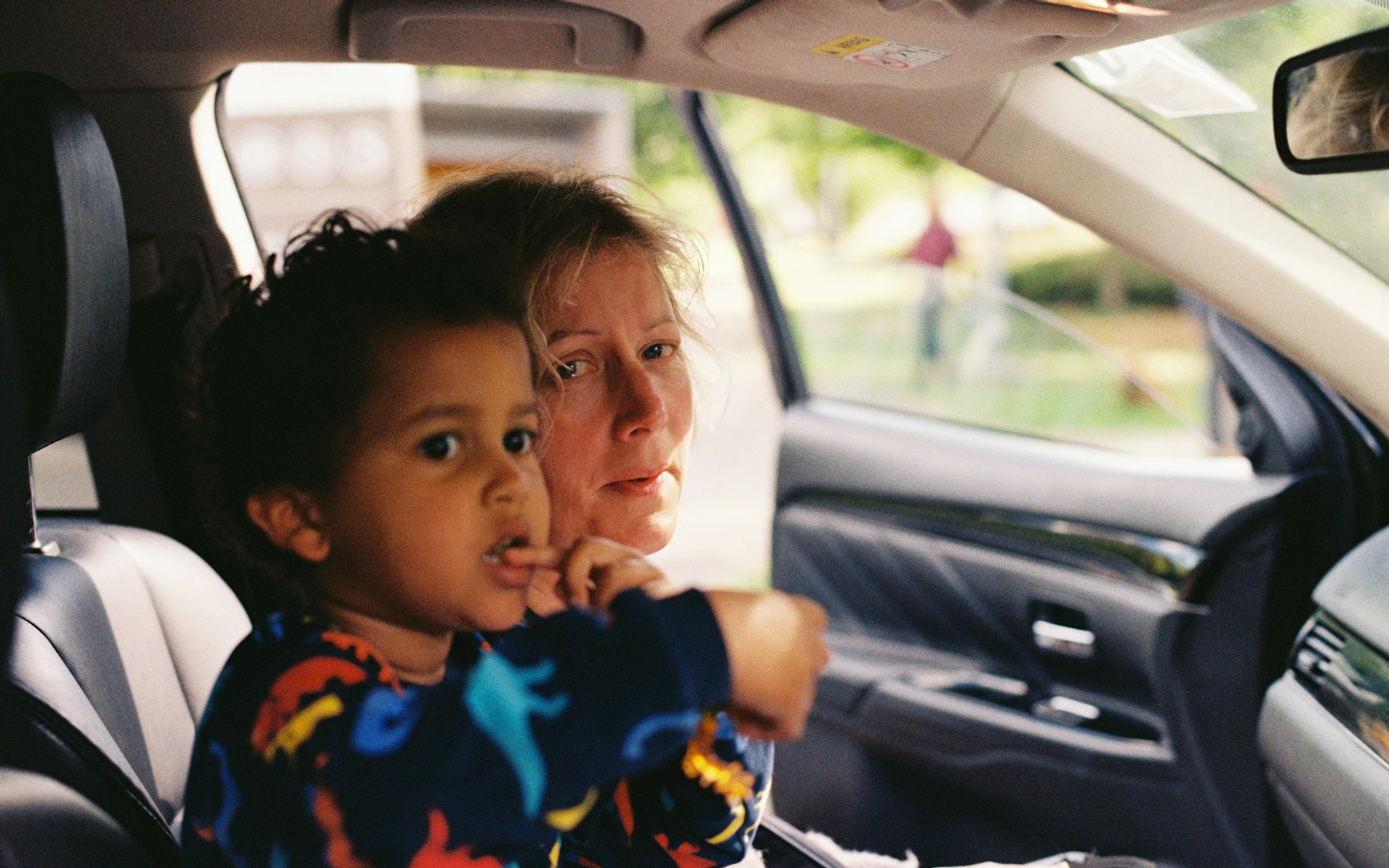
Children travelling in a chauffeured car in Europe should use a child seat suited to their height and weight, just as in a private car. EU rules require children under 150 cm to use an appropriate child restraint, and a good chauffeur service will fit the right seat in advance when you request it at booking.
- EU rules require children shorter than 150 cm to use an appropriate child restraint, although some countries set the threshold at 135 cm.
- UN Regulation R129 (i-Size) is the current standard; since September 2024 only R129 seats can be newly sold in the EU, but existing R44 seats remain legal to use.
- Children should travel rear-facing until at least 15 months under R129, and never in a rear-facing seat in front of an active airbag.
- Request child seats when booking and give each child's age, height and weight so the correct seat is fitted.
What are the EU rules on child seats?
Under EU law, children below 150 cm in height must use a child restraint suited to their size whenever one is required. Member states may set a lower threshold of 135 cm for travel in their own country, so the exact rule depends on where you are.
In practice, this means most children need a seat or booster until roughly 10 to 12 years of age, depending on their growth. The United Kingdom, which follows its own rules, requires a child seat until a child is 12 years old or 135 cm tall, whichever comes first. National rules on exemptions, such as for taxis, differ between countries, but safety does not change with the type of car. A properly fitted seat protects a child far better than an adult seat belt alone, and that is why a professional chauffeur service will provide one on request.
What is the difference between R129 and R44 seats?
R129, often called i-Size, is the newer UN safety standard and classifies seats by the child's height rather than weight. R44 is the older standard, which grouped seats by weight.
R129 adds side-impact testing and improved head and neck protection, and it encourages rear-facing travel for longer. Since 1 September 2024, retailers in the EU may only sell new seats approved to R129, but R44 seats bought before then remain legal to use. You can identify the approval by the orange label on the seat, which shows the regulation number and an "E" mark.
| Feature | UN R129 (i-Size) | UN R44 |
|---|---|---|
| How seats are classified | By child's height (and a maximum weight) | By child's weight groups |
| Rear-facing requirement | Until at least 15 months | Allowed forward-facing from 9 kg |
| Side-impact testing | Yes | No |
| New sales in the EU | Permitted | Ended 1 September 2024 |
| Use of existing seats | Permitted | Still permitted |
Which seat does my child need?
The right seat depends on your child's height, weight and age, not age alone. As a general guide, seats move through three stages as a child grows.
- Rear-facing infant carrier or seat: for babies from birth. Under R129, children must stay rear-facing until at least 15 months, and safety experts recommend staying rear-facing for as long as the seat allows.
- Toddler seat with harness: for young children who have outgrown the infant carrier, either rear-facing or forward-facing depending on the seat and the child's age.
- High-back booster seat: for older children, using the adult seat belt positioned correctly across the shoulder and hips. Under R129, backless booster cushions are only approved for children from 125 cm.
Children can move to an adult seat belt alone once they reach the height threshold that applies in the country where they are travelling, usually 150 cm or 135 cm.
Can a child sit in the front seat?
A child should never travel in a rear-facing seat in front of an active front airbag, and in a chauffeured car children are normally seated in the rear. The rear seats are generally the safest place for children in any car.
Rules on children in front seats vary by country, and some set minimum ages or heights. Seating children in the rear avoids these questions entirely and leaves the front passenger seat free for an adult travelling with the family. If a rear-facing seat ever has to be used in the front, the passenger airbag must be deactivated first, in line with the vehicle manufacturer's instructions. Whichever seat is used, check that the harness or belt is snug and correctly routed before the journey starts.
How do you arrange child seats with a chauffeur service?
Request child seats when you book and give each child's age, height and weight, so the correct restraint is installed before pick-up. Seats are provided on request, so they must be arranged in advance rather than on arrival.
- State the number of children: and the seat each needs, so the vehicle is configured correctly.
- Choose the right vehicle: a V-Class class van offers space for several child seats as well as pushchairs and luggage.
- Mention pushchairs and travel cots: so there is room for them in the boot.
- Bring your own seat if you prefer: many parents do, especially for infants; let us know so time is allowed to fit it.
For airport arrivals with children, meet and greet service is particularly helpful. Your chauffeur meets you in the arrivals hall, helps with luggage and leads you directly to a car with the seats already fitted. Flight tracking means the car is waiting even if your flight is delayed. Families heading to the mountains may also find our guide to Swiss Alpine transfers useful.
How can you make long journeys easier for children?
Plan breaks roughly every two hours, keep snacks and entertainment within reach, and travel at times that suit your children's routine. A chauffeur can schedule stops in advance or adjust them on the day.
On long-distance transfers, such as Munich to Salzburg or Nice to Monaco, a private car lets children rest without the disruption of stations and connections. Share any needs in advance, such as a quiet journey for a sleeping baby. You can arrange family transfers through the booking form or on WhatsApp.
The short answer
In Europe, children under 150 cm, or 135 cm in some countries, should travel in a child restraint suited to their height and weight. R129 (i-Size) is the current standard, and existing R44 seats remain legal to use. Keep young children rear-facing for as long as possible, seat them in the rear, and request the right seats when you book so they are fitted before you arrive.