To plan wedding transportation in Italy, book early, map every journey from the nearest airports to hotels and the venue, choose vehicles that suit the local roads, and build generous time buffers into the day. Lake Como, Florence and the Amalfi Coast each have very different roads and access rules, so the plan should be shaped by the destination.
- Book wedding transport as soon as the date and venue are confirmed, especially in late spring and summer.
- Lake Como and the Amalfi Coast have narrow, winding roads where smaller vehicles are often more practical.
- Florence's historic centre has a restricted traffic zone, so drop-off points need planning.
- Schedule guest shuttles with buffers and a pre-arranged return at the end of the evening.
When should you book wedding transport in Italy?
Book wedding transport as soon as your date, venue and guest hotels are confirmed. Italy's most popular wedding destinations are also busy tourist areas, and vehicles and chauffeurs are in high demand in the main season.
Early booking does not mean every detail must be final. Start with the fixed points, such as the wedding day schedule and the main arrival days, and refine guest numbers and flight details as RSVPs come in. A good operator will hold the plan and update it with you.
How do Lake Como, Florence and the Amalfi Coast compare for transport?
The three regions differ mainly in their nearest airports, road character and local access rules. The table gives an overview; travel times are approximate and depend on traffic and season.
| Destination | Main airports | Road character | Planning note |
|---|---|---|---|
| Lake Como | Milan Malpensa (MXP), Milan Linate (LIN), Milan Bergamo (BGY) | Narrow lakeside roads and small villages | Allow extra time on the lake roads; boats are often part of the day |
| Florence and Tuscany | Florence (FLR), Pisa (PSA) | City centre access limits; country lanes to villas | Plan drop-off points around the restricted traffic zone |
| Amalfi Coast | Naples (NAP) | Cliffside coastal road with tight bends | Expect slower journeys and limited parking at venues |
Lake Como
Most guests fly into Milan, with Malpensa the usual choice for international flights. The drive to Como town takes around an hour in normal traffic, and villages further up the lake, such as Bellagio, Tremezzo or Varenna, take longer. Venues such as Villa d'Este and Villa Erba in Cernobbio or Villa del Balbianello near Lenno are popular, and the roads along the western shore are narrow in places. Many couples combine cars with boats, so coordinate transfers to and from the jetties. See our Lake Como page for more on the area.
Florence and Tuscany
Florence Airport is close to the city, with transfers to the centre usually taking about 20 minutes, while Pisa is around an hour or more away by road. The historic centre of Florence has a ZTL, a limited traffic zone where only authorised vehicles may enter at controlled times. Check with your hotel and operator how close a car can reach. Countryside villas in Chianti and the surrounding hills often sit at the end of unpaved or narrow lanes, so confirm access before the day.
The Amalfi Coast
Guests usually arrive at Naples International Airport, and the drive to Positano or Amalfi typically takes around an hour and a half, longer in summer traffic. The coastal road is famously narrow and winding, parking is scarce and seasonal traffic rules can apply. Popular venues include Villa Rufolo and Villa Cimbrone in Ravello. Our Naples page covers airport transfers into the region.
Which vehicles work best for an Italian wedding?
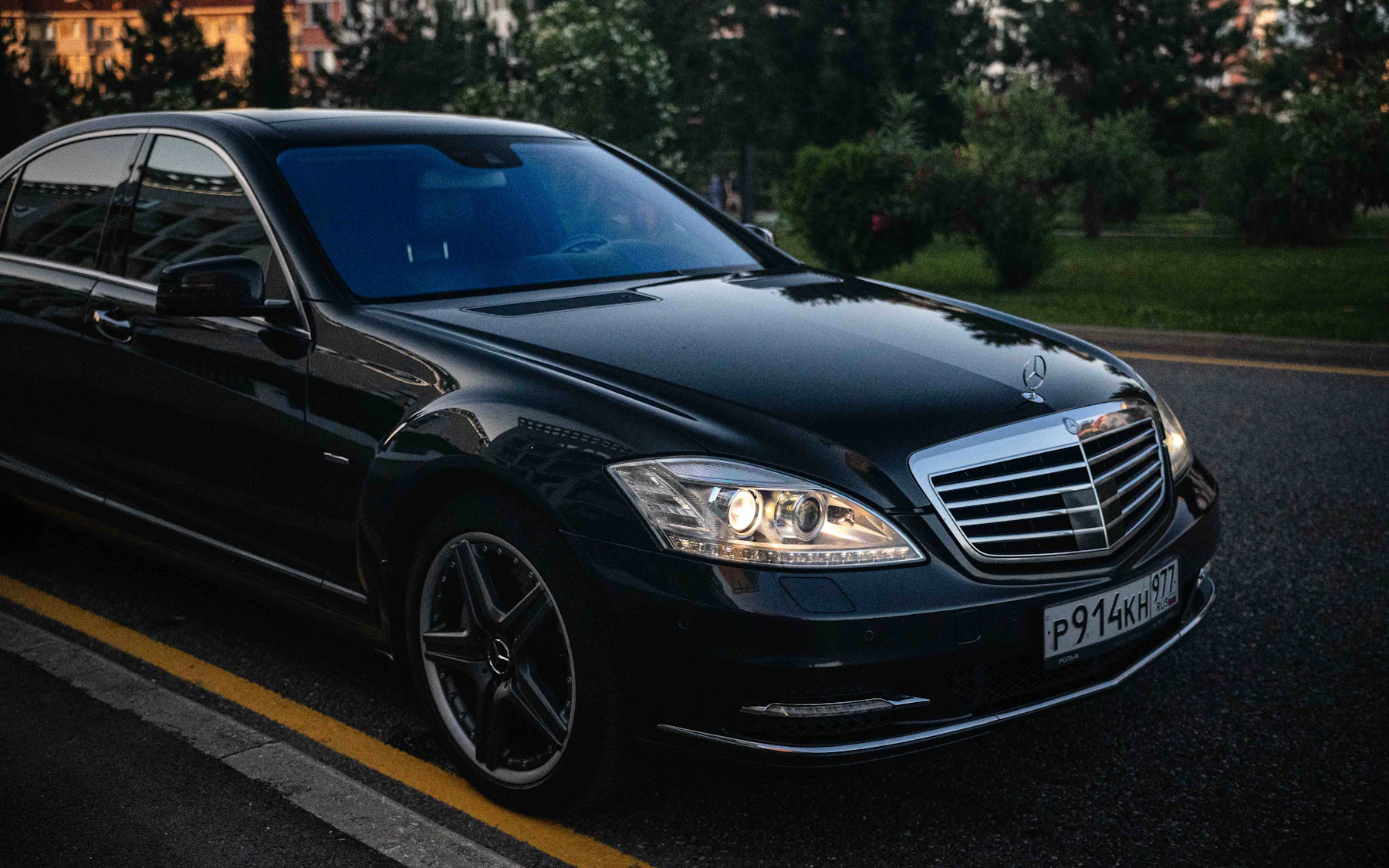
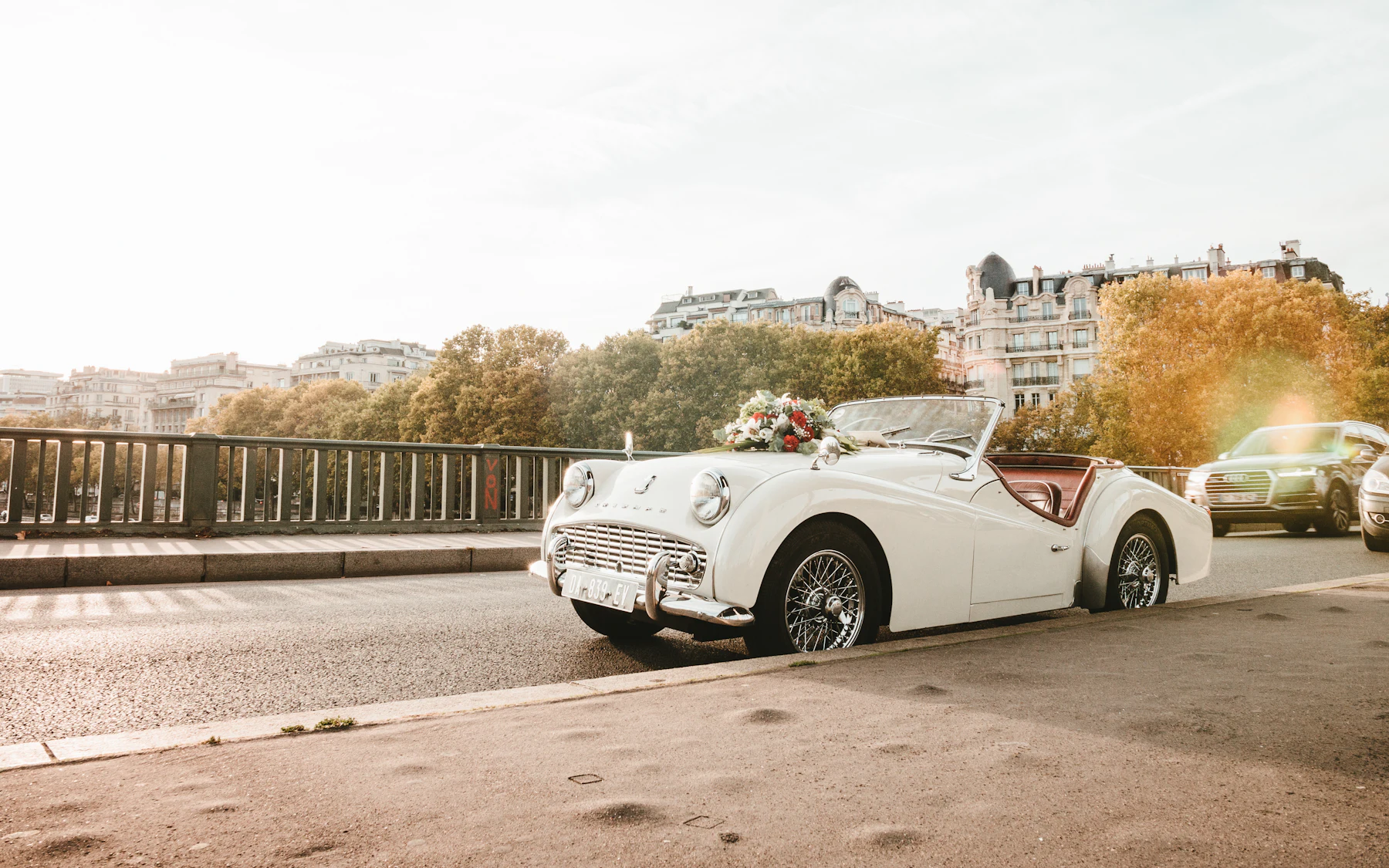
Most weddings combine a first-class sedan for the couple, executive sedans for family and VIP guests, and luxury vans for small groups of guests. The mix depends on guest numbers, the venue and the roads.
- The couple: a first-class sedan (S-Class class) for the arrival at the ceremony and the departure afterwards.
- Parents and close family: executive or first-class sedans, timed to arrive before the couple.
- Guests: luxury vans (V-Class class) running shuttle loops between hotels and the venue.
- Children: child seats requested in advance, with ages and weights for each child.
Tell the operator about wedding dresses with long trains, flowers, gifts and photography equipment. These affect which vehicles are suitable and how much space is needed.
How should you plan the wedding day timeline?
Work backwards from the ceremony start time and add a buffer to every journey. On Italian lake and coastal roads, small delays add up quickly, especially in summer.
- Confirm the ceremony time, venue address and the exact drop-off point.
- List every pickup: the couple, family, wedding party and guest hotels.
- Set arrival times so guests are seated before family, and family before the couple.
- Add buffer time to each run, more on coastal and lakeside roads.
- Plan the move from ceremony to reception if they are at different venues.
- Schedule a pre-arranged return at the end of the evening, with staggered departures for guests who leave early.
- Share one master schedule with the planner, the venue and the transport operator.
Weather is the other factor to plan for. Lakeside and coastal weddings often rely on boats, terraces and outdoor transfers, so agree a wet-weather plan with the venue and the transport operator. That might mean switching a boat arrival to a car, or adding a vehicle to shuttle guests the short distance between a church and a reception under cover.
How do you manage guest arrivals and departures?
Collect flight details from guests early, group arrivals into time windows, and offer meet and greet transfers from the airport to their hotels. This keeps guests from navigating unfamiliar Italian airports and roads on their own.
Departures deserve the same attention. Many guests leave the morning after the wedding, often for early flights from Milan, Florence, Pisa or Naples, so collect departure times as well as arrivals and plan pickups the evening before. Guests landing within a short window can often share a van, while those arriving at different times are better served by individual transfers. Ask the operator to track each flight so delays do not break the plan. If you are unsure what guests will experience on arrival, our journal guide to airport meet and greet explains each step.
The short answer
Plan Italian wedding transport early, map every airport, hotel and venue journey, choose vehicles that suit narrow lake and coastal roads, respect Florence's restricted traffic zone, and add generous buffers to the timeline. Combine a first-class sedan for the couple with executive sedans and vans for family and guests, and always arrange the return. When you have your date and venue, send us your plan through the booking form or on WhatsApp.